日程と形式
2026年6月22日 (月) 午後- 24日 (水)午前
本研究集会は対面形式のみで開催いたします.
参加登録
懇親会についてはこちらをご覧ください.
参加をご検討の方は,2026年5月20日(締切を延長しました)までに参加登録フォームから登録をお願いいたします.
参加登録は締め切りましたが,研究集会には事前登録なしでもご参加いただけます(教室収容定員60名のうち,40名程が事前登録している状況です).なお,参加者は全員,当日会場のPCでも参加登録をお願いいたします.
懇親会についてはこちらをご覧ください.
会場
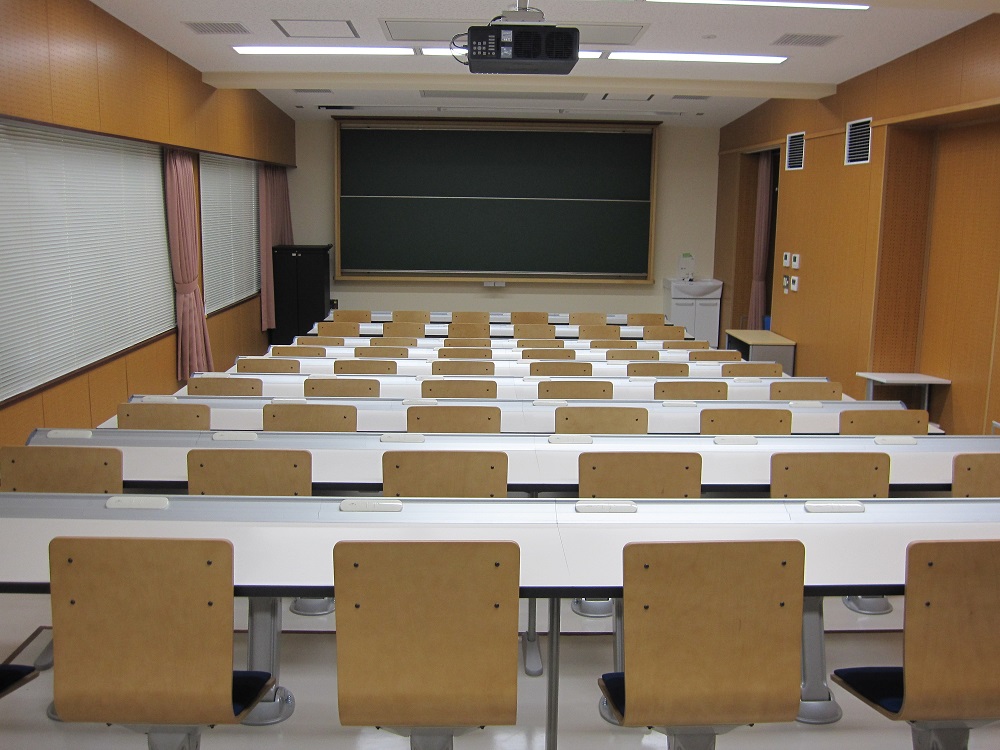
京都大学 数理解析研究所 111号室
アクセス(こちらをクリック)
講演予定者(50音順,敬称略)
安藤 直也(熊本大学)
梅原 雅顕(東京科学大学)
梶ヶ谷 徹(芝浦工業大学)
加藤 信(大阪公立大学)
小林 真平(北海道大学)
清原 悠貴(大阪教育大学)
庄田 敏宏(関西大学)
酢田 直哉(神戸大学)
溝口 史華(理化学研究所)
守屋 克洋(兵庫県立大学)
タイムテーブル
| 6/22(月) | 6/23(火) | 6/24(水) | |
|---|---|---|---|
| 9:30-10:30 | 酢田 直哉 | 加藤 信 | |
| 10:45-11:45 | 小林 真平 | 梶ヶ谷 徹 | |
| 13:30-14:30 | 清原 悠貴 | 庄田 敏宏 | |
| 14:45-15:45 | 溝口 史華 | 梅原 雅顕 | |
| 16:00-17:00 | 安藤 直也 | 守屋 克洋 | |
講演題目とアブストラクト
小林 真平(北海道大学) 6/23(火) 10:45-11:45
Generalized discrete isothermic CMC surfaces and their Weierstrass-type representation守屋 克洋(兵庫県立大学大学) 6/23(火) 16:00-17:00
A para-quaternionic holomorphic description of minimal timelike surfaces
懇親会
研究代表者
赤嶺新太郎(日本大学)
緒方勇太(京都産業大学)
本研究集会は京都大学数理解析研究所の共同利用事業「RIMS共同研究(公開型)」として行われます.